About
 |
| Credit: Jean Smith for Vogue |
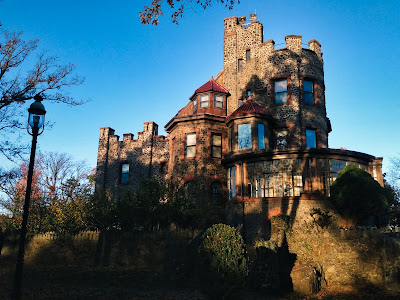
He started young, pointing a camera at the quiet edges of North Jersey: Pequannock, Lincoln Park, old commuter towns that only reveal themselves when you bother to stand still. The images were plainspoken and eerie at the same time, the visual equivalent of a found diary. Professors at Drew University noticed, hanging his work in student shows at The Space and tagging him as an artist to watch.
 |
| Blue pools in Iceland, 2003 |
Then came Iceland. Before tourism rebranded the island into a Nordic fantasy, Lotito spent a summer drifting between rural homesteads and volcanic coastlines that looked like the end of the world. He photographed empty windows, long unbroken horizons, the way fog rolls over land like it’s trying to erase it. Judges called the work “quietly arresting,” which is a polite way of saying the images haunted people.
Costa Rica followed: Monteverde’s cloud forests, knife-edge ridges disappearing into rain, wildlife that looked prehistoric if you caught it in the right light. The project became Pura Vida: Taming Wild Costa Rica, still one of the most complete photographic records of the region published in English. But even there, in a place drowning in color, his images feel stripped-back, almost skeletal, nature as a kind of cathedral.
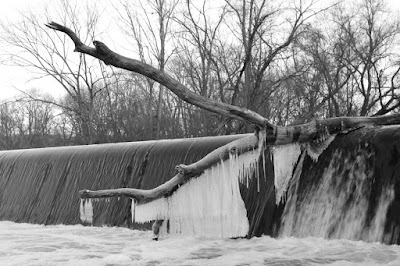
Between the big trips, Lotito has been building a long-running, slow-burn documentary of the American Northeast. The Delaware Water Gap. The Poconos. Suburban New Jersey when no one’s out except dog walkers and storm drains. If Iceland was about isolation and Costa Rica about immersion, this work is about the uneasy normalcy of a region that’s always between floods, elections, and reinventions.
 |
| Rural shrine, Costa Rica, 2014 |
Ask him what he’s doing with all this wandering, and he’ll shrug and say he’s trying to figure out how places remember people. That sounds simple, but the images are anything but: monochrome, hungry for detail, obsessed with the shapes left behind when color is removed. In Lotito’s world, even the most ordinary street has a secret; you just have to be patient enough to let it show itself.
Web: